Blog Nona

Get the latest on what's happening in the Nonahood. Blog Nona covers community news, local attractions, and development updates across the greater Lake Nona area of southeast Orlando, Central Florida.

Browse by Category

Looking for a Home?

Start your home search or get to know the Lake Nona neighborhoods.

Latest Posts

March 26, 2025

Sofive XL Soccer Lake Nona: Kicking Up Competition and Community in Lake Nona

Lake Nona Blog Nona Nona Attractions › Sofive XL Soccer Lake Nona
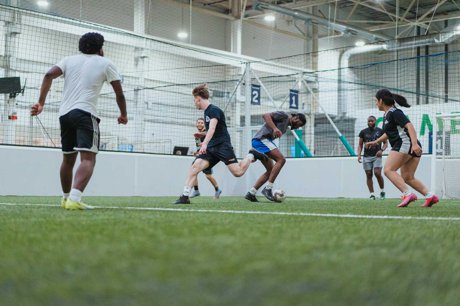
Sofive XL Soccer Lake NonaIn a city built on movement, innovation, and active living, few facilities bring energy to the field like Sofive XL Soccer Lake Nona. This state-of-the-art indoor and outdoor soccer complex has become a local institution for players of all ages, skill levels, and backgrounds. But it’s more than just a place to kick a ball—it’s a home base for competitive leagues, youth development, adult fitness, and year-round recreation in one of Florida’s fastest-growing communities.

Opened in 2018, Sofive XL Soccer Lake Nona was part of a broader expansion by XL Sports World, a national brand that operates soccer and sports facilities across the United States. The company chose Lake Nona for good reason. The area’s emphasis on wellness, family life, and innovation made it an ideal match for a next-generation sports facility. The location allowed Sofive XL to integrate its model into a community that was already thinking about how to live better, move more, and create strong social bonds through activity.

The facility features a full-size indoor soccer arena with professional-quality turf, climate control, and high ceilings for unrestricted play. This isn’t your local school gym—this is a purpose-built arena designed to deliver the real feel of competitive soccer, without being at the mercy of Florida’s often unpredictable weather. Alongside the main arena are smaller fields optimized for five-a-side and seven-a-side games, along with additional outdoor pitches that allow simultaneous matches and training sessions throughout the week.

What separates Sofive XL Soccer Lake Nona from most traditional sports facilities is the way it blends competitive infrastructure with community access. Serious players and league athletes can train and compete on the same turf where a group of six-year-olds might be chasing their first goal. There’s no intimidation, no exclusivity—just an emphasis on development, fun, and progress. That inclusiveness is part of what makes the venue so important to the fabric of Lake Nona’s social and athletic life.
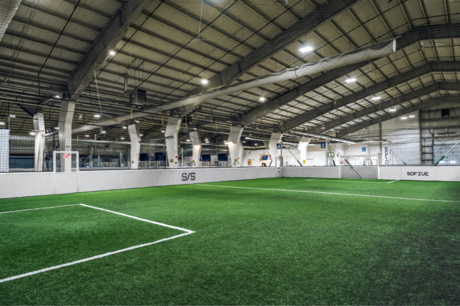
Sofive XL Soccer Lake NonaSofive XL Soccer Lake Nona runs a packed calendar of programs year-round, catering to nearly every age and ability level. Its youth programs are among the most popular in the region, with curriculum-based coaching that introduces the fundamentals of the game through structured play and age-appropriate skill development. From "Mini Kickers" (ages 2-4) learning the basics of balance and coordination to competitive travel teams working on tactical strategies and conditioning, the programming is designed to grow with the athlete.

The coaching staff is composed of experienced soccer professionals, many of whom have backgrounds in collegiate or international play. These coaches are not just tacticians—they’re mentors, role models, and educators. They help young athletes build confidence, resilience, and a true love for the game. The emphasis isn’t just on winning—it’s on understanding the game, developing discipline, and playing as part of a team.

For adults, Sofive XL Soccer Lake Nona offers recreational and competitive leagues in multiple divisions, including co-ed, men’s, and women’s leagues. Players range from former pros and college standouts to weekend warriors looking for a high-energy way to stay active and socialize. The games are fast-paced, well-organized, and refereed with professionalism, creating an environment where everyone can play hard and feel supported, regardless of skill level.

The facility also offers fitness classes and strength training sessions designed specifically for soccer players, as well as casual pickup games for anyone who wants to drop in and play. This kind of flexibility has made Sofive XL Soccer Lake Nona a destination not only for soccer fans but for anyone looking for a regular fitness routine that’s fun, social, and highly motivating.

One of the facility’s standout features is its commitment to inclusive play. Sofive XL Soccer Lake Nona regularly hosts programs for athletes with disabilities, adaptive soccer clinics, and family-oriented events that invite participation from siblings and parents. It also partners with local schools, wellness initiatives, and charitable organizations to make sure that the love of soccer is accessible to everyone, regardless of background or ability.

The venue itself is thoughtfully designed for both players and spectators. A full-service café and lounge area overlooks the indoor fields, allowing parents and friends to relax and watch the action in comfort. There’s ample parking, clean and modern locker rooms, and indoor seating zones with Wi-Fi and charging stations—because even the most devoted soccer mom needs to send a few emails during practice.

Sofive XL Soccer Lake NonaSofive XL Soccer Lake Nona also plays a key role in the region’s soccer ecosystem. It hosts tournaments, showcases, and regional events that draw teams from across Central Florida and beyond. These events bring visibility to the Lake Nona area, generate hotel and restaurant traffic, and contribute to the local economy in meaningful ways. More importantly, they create opportunities for local youth athletes to be scouted, gain experience, and build connections with the broader soccer community.

Technology is another cornerstone of the Sofive XL experience. The facility uses video analysis tools that allow coaches to review games with players, highlight teaching moments, and track individual progress. It’s not just about playing hard—it’s about playing smart. Data-driven development has become increasingly important in sports at every level, and Sofive XL embraces this trend to help its athletes reach their full potential.

The complex also invests in digital scheduling, mobile apps, and online registration, making it easy for busy families and working professionals to stay engaged. Players can view game times, join new leagues, communicate with teammates, and track performance from anywhere. That digital convenience adds to the professionalism and polish of the experience—something that’s especially appreciated in a place like Lake Nona, where tech-savvy residents expect modern solutions.

Looking to the future, Sofive XL Soccer Lake Nona has plans to continue expanding its impact. Additional youth camps, international training exchanges, and esports partnerships are all on the radar. The facility is also exploring partnerships with professional clubs for coaching clinics, brand activation, and elite player development pipelines. These future initiatives will further enhance the venue’s role not just as a local rec center, but as a regional performance hub.

For Lake Nona, Sofive XL Soccer Lake Nona is more than just a place to play. It’s a place where community is built, where wellness goals are achieved, and where kids discover the thrill of scoring their first goal—or where adults rediscover the joy of competition. It’s part of what makes Lake Nona not just livable, but loveable—a community that knows that real connection can still happen on a field, over a shared game, or in the quiet encouragement of a teammate cheering from the sidelines.

In a world that moves fast and rarely slows down, Sofive XL Soccer Lake Nona offers something beautifully simple and endlessly valuable: a chance to play.

visit today: https://www.xlnona.com/

March 26, 2025

leAD Lake Nona Sports & Health Tech Accelerator: Fueling Innovation at the Crossroads of Sports, Health, and Technology

Lake Nona Blog Nona Nona Tech/Innovation › leAD Lake Nona Sports & Health Tech Accelerator

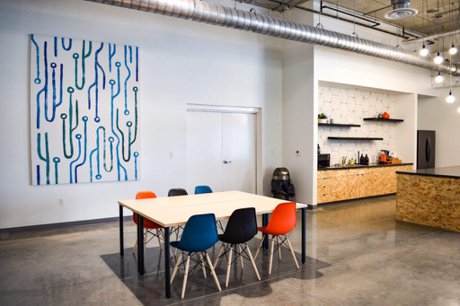
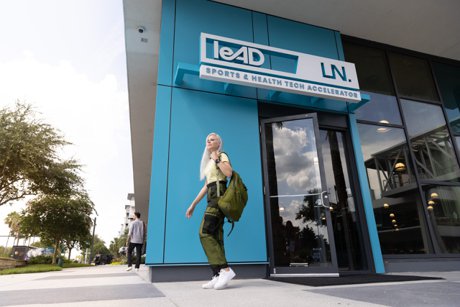
leAD Lake Nona Sports & Heath Tech AcceleratorWhen the world of elite athletics meets cutting-edge health science and entrepreneurial grit, you get something rare: a purpose-built pipeline for game-changing startups. That’s exactly what’s happening at the leAD Lake Nona Sports & Health Tech Accelerator—a high-impact initiative that’s quickly turning this forward-thinking Orlando community into a global launchpad for sports and health tech innovation.
The name “leAD” stands for Legacy of Adi Dassler, the legendary founder of Adidas. That legacy—of innovation, performance, and pushing human potential—is woven into the DNA of this accelerator, which was first launched in Berlin in 2016. It was created by Dassler’s grandchildren and a group of entrepreneurs who believed there was a major gap in how sports-related startups were being supported. While other industries had robust accelerator programs, the world of sports tech was largely underserved. leAD set out to change that.

The concept quickly took off. The first cohort in Berlin brought in sports-focused startups from around the globe, offering them capital, mentorship, and a network deeply rooted in the elite athletic and sporting world. leAD became known not just for coaching founders, but for helping them navigate the complex landscape of product development, partnerships with sports organizations, and the unique regulatory environments that often accompany health-related technologies.

As the accelerator gained traction in Europe, the leAD team began looking for a U.S. location to expand its reach. They didn’t just want a place with tech talent—they wanted a full ecosystem. A community built around innovation, health, and forward-thinking infrastructure. A place where sports, wellness, medicine, and data already played central roles in the local identity. Enter Lake Nona.

The partnership between leAD and Lake Nona began in 2019 and was announced with considerable buzz. Backed by Tavistock Group, the developer behind Lake Nona’s Medical City and much of its innovation infrastructure, the leAD Lake Nona Sports & Health Tech Accelerator officially launched as a joint initiative aimed at attracting startups focused on physical performance, mental wellness, health tracking, smart fitness, and other intersections of athleticism and technology.

The accelerator itself is located within the GuideWell Innovation Center, a multi-tenant facility that houses health-focused startups, R&D teams, and collaboration labs. This location offers more than just office space—it provides immediate proximity to other cutting-edge organizations and access to state-of-the-art prototyping, testing, and development resources. It also plugs directly into Lake Nona’s smart city infrastructure, giving startups a unique opportunity to test their solutions in a real-world environment that supports connected devices, biometric feedback, and high-speed 5G connectivity.

Each year, the accelerator selects a competitive cohort of early-stage startups to participate in an intensive program designed to help them refine their business models, strengthen their go-to-market strategies, and prepare for funding and scaling. Companies receive seed investment in exchange for equity, along with tailored mentorship from industry leaders, access to a vast network of partners and investors, and—critically—support for real-world testing and validation.

leAD Lake Nona Sports & Heath Tech AcceleratorThe program runs for several months and includes pitch workshops, one-on-one coaching, product development sprints, and curated networking events. It’s designed to meet startups where they are, whether they’re still developing a prototype or already generating early revenue. The focus is always the same: how to take a good idea and turn it into a scalable, investable product with real market potential.
What sets the Lake Nona version of leAD apart from other accelerators is the quality of its ecosystem. Participating startups don’t just get access to advisors—they get access to test environments, institutional partners, and even end-users. With institutions like the UCF College of Medicine, Johnson & Johnson Human Performance Institute, Lake Nona Performance Club, and Nemours Children’s Hospital all nearby, companies working on health and fitness technologies can validate their products in ways that most accelerators simply can’t offer.

The verticals supported by the accelerator span a broad range, including wearables, injury prevention, performance analytics, mental health, sleep science, rehabilitation, and personalized training platforms. Several of the alumni companies have gone on to secure venture funding, pilot partnerships with pro sports organizations, and contracts with healthcare systems.

One example is a startup developing smart insoles that provide real-time gait analysis and pressure mapping for athletes recovering from lower limb injuries. Another focused on neurofeedback systems designed to improve focus and reaction time in high-pressure sports environments. Yet another created a digital coaching platform for adaptive athletes, using motion capture and AI to customize training for individuals with physical disabilities.

Because of Lake Nona’s live-work-play layout, startups also have access to local residents who are often eager to participate in product testing and user research. This dynamic creates a rare kind of feedback loop where founders can rapidly iterate on product design, refine user experience, and generate meaningful data long before hitting the broader market. For health tech startups in particular, this is gold.

The accelerator is also deeply focused on helping companies develop strong data governance practices. Health and performance tech frequently deals with sensitive personal information, and understanding HIPAA compliance, data encryption, and user consent protocols is critical. The program includes workshops on regulatory pathways, clinical trial design, and how to navigate the complex approval processes required for medical-grade devices and software.

leAD Lake Nona Sports & Heath Tech AcceleratorAnother benefit of the Lake Nona location is its proximity to investors who are increasingly focused on digital health and sports technology. The accelerator regularly hosts demo days and investor pitch events that draw attention from VC firms, angel groups, and corporate venture arms. These events are more than just showcases—they often result in term sheets, follow-on funding, and strategic partnerships that help startups reach their next milestone.
For founders, the value of the program extends well beyond the initial cohort window. Alumni remain connected to the leAD network and continue to benefit from investor introductions, partnership support, and media exposure. Many stay in Lake Nona after graduation, choosing to grow their teams in a community that understands and supports their vision.

From a development standpoint, the presence of the leAD Lake Nona Sports & Health Tech Accelerator reinforces the community’s position as a nexus for innovation. It attracts top talent, draws international attention, and supports high-growth companies that align with Lake Nona’s long-term strategy. For Tavistock, leAD is both a catalyst for economic development and a cornerstone of its brand as a place where new ideas are not only welcomed, but actively accelerated.

As the global market for sports and health tech continues to grow—expected to exceed $500 billion by 2025—the Lake Nona accelerator is well-positioned to remain a major player. Its location, resources, and mission give it a distinct advantage, especially as investors and consumers alike become more focused on prevention, performance, and personalized wellness.

Looking ahead, the accelerator is exploring new programming, including industry-specific cohorts, expanded funding partnerships, and integration with international leAD locations. There’s also growing interest in creating a permanent venture studio in Lake Nona that would support company creation from the ground up—giving scientists, engineers, and clinicians a place to turn promising research into investable companies with built-in support.

Ultimately, the leAD Lake Nona Sports & Health Tech Accelerator is more than just a business program—it’s a movement. It reflects a belief that the intersection of sports, health, and technology is one of the most exciting frontiers in innovation. And it backs that belief with resources, mentorship, and access that few other communities can offer.


In Lake Nona, that future isn’t just being imagined. It’s being built—startup by startup, pitch by pitch, and sprint by sprint. And thanks to leAD, some of the biggest breakthroughs in sports performance and health technology might just start right here.

Visit them today at: https://www.lead.vc/

March 26, 2025

SIMCOM Aviation Training Center: Shaping the Skies from the Ground Up in Lake Nona

Lake Nona Blog Nona Nona Tech/Innovation › SIMCOM Aviation Training Center

SIMCOM Aviation Training Center in Lake NonaWhile much of Lake Nona is known for innovation in healthcare, education, and technology, another sector is quietly soaring—aviation. And leading the charge is the SIMCOM Aviation Training Center, a cutting-edge facility that brings global attention to the region’s rapidly growing reputation as a training hub for aviation professionals.
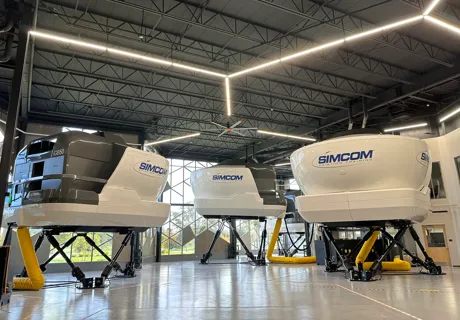
SIMCOM is hardly a new name in the aviation world. Founded in 1989, the company has spent over three decades providing simulator-based flight training to pilots across a wide range of aircraft platforms. Its clients include everyone from private jet owners to corporate aviation departments to military contractors. What sets SIMCOM apart from many other aviation training providers is its laser focus on delivering personalized, scenario-based training using high-fidelity flight simulators that closely replicate real aircraft behavior.

In 2020, SIMCOM made headlines when it announced the relocation and expansion of its global headquarters to Lake Nona. The move was more than a logistical upgrade—it represented a strategic pivot. SIMCOM wanted not just more space, but a place that reflected its forward-thinking approach to training and its vision for the future of aviation. Lake Nona’s reputation as a smart city, along with its access to major transportation routes and its emphasis on innovation, made it an ideal fit.

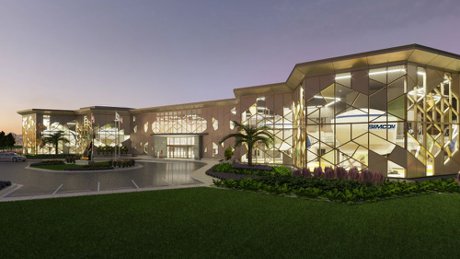
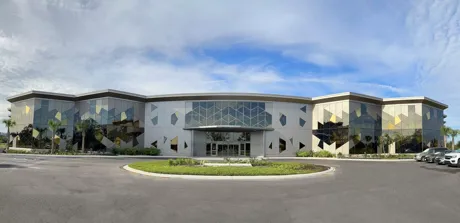
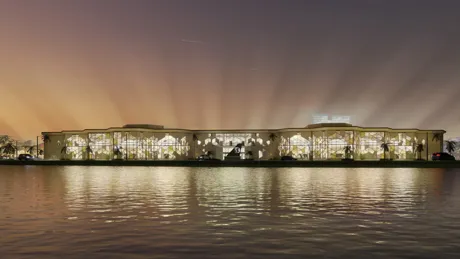
The new SIMCOM Aviation Training Center is a 90,000-square-foot facility located on a dedicated campus designed specifically to meet the demands of 21st-century pilot training. The building includes administrative offices, briefing rooms, classroom spaces, simulator bays, and advanced technical support areas. Every inch of the facility was purpose-built, with attention to the complex requirements of operating large, high-tech flight simulators that replicate everything from cockpit instrumentation to aircraft physics.

SIMCOM Aviation Training Center in Lake NonaThe core of the center is its growing fleet of flight simulators. At launch, the facility housed over a dozen full-motion and fixed-base simulators, with plans to expand to more than 30 as additional aircraft platforms are added. These simulators include popular business jet models like the Cessna Citation, Embraer Phenom, Pilatus PC-12, and the Daher TBM series. Each simulator is FAA-certified and capable of providing training for initial type ratings, recurrent certification, and specialized training scenarios like engine failures, emergency procedures, and adverse weather operations.
What makes SIMCOM’s approach to training unique is the integration of realism and repetition. Rather than relying on scripted lessons, instructors guide pilots through realistic, sometimes unpredictable scenarios that simulate the challenges of real-world flying. This includes things like unexpected system failures, runway incursions, and in-flight weather changes. The goal is not just to check boxes for regulatory compliance, but to create pilots who are better prepared, more confident, and more adaptable.

The Lake Nona facility was designed from day one to support this philosophy. Simulator bays are isolated to minimize vibration and noise. The technical infrastructure includes climate control systems to maintain precise operating conditions for sensitive simulator equipment. The entire simulator floor is connected to a control center where technicians monitor the performance and calibration of each device in real time. Downtime is minimized, and training schedules are kept tight—a critical factor for professional pilots on compressed re-certification timelines.

In addition to the simulators, the training center includes spacious briefing rooms and debriefing suites where pilots can meet with instructors, review flight data, and run through video and telemetry analysis of their simulator sessions. These post-flight evaluations allow for detailed discussions of pilot decision-making, procedural accuracy, and workload management. It’s a level of feedback that mirrors what one would find in military or commercial airline training and reinforces SIMCOM’s reputation for professional-grade instruction.

SIMCOM Aviation Training Center in Lake NonaBut SIMCOM’s move to Lake Nona wasn’t just about physical infrastructure—it was about access to talent, technology, and community. The company has hired dozens of new employees, including flight instructors, engineers, technicians, and support staff. Many of these roles require advanced technical training and offer high-paying career pathways, adding to the region’s skilled labor market and supporting Lake Nona’s broader economic development.
Instructors at SIMCOM are often former airline captains, military pilots, or long-time business aviation professionals. They bring not only technical knowledge but years of lived experience that adds context and nuance to each lesson. SIMCOM prioritizes instructor quality above all else, believing that even the most advanced simulator can’t replace the value of a highly experienced educator in the training process.

From a technology standpoint, SIMCOM continues to invest in the latest simulation advancements. The Lake Nona facility features new Level D full-flight simulators equipped with wraparound visual systems, motion platforms, and avionics identical to those found in current-production aircraft. The company also integrates scenario-based training software that allows instructors to create custom training sessions on the fly, adjusting variables in real time based on pilot performance.

Another area of expansion for SIMCOM involves partnerships with aircraft manufacturers. Several OEMs have designated SIMCOM as an official training provider for their aircraft, meaning pilots who purchase a new aircraft receive type-specific training at SIMCOM as part of the delivery process. These partnerships have grown with the Lake Nona expansion and have led to increased demand for factory-authorized courses that align with the latest avionics, automation systems, and regulatory changes.

SIMCOM’s client base is global. Pilots travel from all over the U.S., Latin America, and Europe to train at the Lake Nona facility. The center’s proximity to Orlando International Airport makes it easy for trainees to fly in and out on tight schedules, and the Lake Nona campus provides a modern, welcoming environment that matches the professional expectations of its clientele.

The facility also plays a role in corporate and government aviation training. In recent years, SIMCOM has hosted pilots from Fortune 500 flight departments, federal agencies, and specialized charter services. The training often includes custom-designed courses that meet specific mission profiles, regulatory requirements, and organizational policies. This level of customization is a growing differentiator for SIMCOM and one of the reasons it continues to earn repeat business from aviation departments with complex training needs.

Looking ahead, SIMCOM has ambitious plans for its Lake Nona campus. The company is actively pursuing additional simulator certifications and is in talks with new aircraft manufacturers to expand its offerings. The long-term vision includes expanding the training center footprint with additional buildings dedicated to maintenance training, ground operations, and unmanned systems instruction.

SIMCOM Aviation Training Center in Lake NonaDrone operations and advanced air mobility are also areas of growing interest. As the aviation industry moves toward electric vertical takeoff and landing (eVTOL) aircraft, there is a recognized need for training that addresses the unique operational, regulatory, and technical challenges of these platforms. SIMCOM is exploring how its simulator infrastructure and training expertise can be adapted to support this emerging sector—potentially making Lake Nona a leader in the next generation of aviation training.
Another area of expansion is digital learning. While in-person simulator training remains essential, SIMCOM is developing online and blended learning programs that allow pilots to complete certain portions of their training remotely. These programs include e-learning modules, virtual classrooms, and flight scenario simulations that can be run on desktop platforms. The digital tools are designed to supplement in-person training and improve knowledge retention, especially for pilots who return to SIMCOM year after year for recurrent certification.

SIMCOM’s presence in Lake Nona reinforces the community’s reputation as a place where world-class infrastructure meets bold ideas. While other aviation training providers are clustered in legacy markets like Dallas or Denver, SIMCOM’s choice to build in Lake Nona positions it at the leading edge of a new kind of training ecosystem—one that values not just technology and efficiency, but collaboration, innovation, and a commitment to professional excellence.

For Lake Nona, SIMCOM brings more than jobs and square footage. It brings international visibility, high-value talent, and a new vertical of industry influence. It proves that Lake Nona is not just a destination for healthcare and education, but for aerospace and advanced training. And it creates opportunities for future partnerships with universities, technology developers, and aviation manufacturers that can further anchor the region’s growth.

As aviation evolves—through new technologies, changing regulations, and shifting global dynamics—training will remain a cornerstone of safety and performance. SIMCOM’s Lake Nona campus is built not just for today’s aviation needs, but for the needs of tomorrow’s pilots, engineers, and innovators.

It’s not just a training center. It’s a launchpad.  Visit them today at: https://www.simulator.com/

March 26, 2025

Verizon 5G Innovation Hub: Engineering the Future of Connectivity in Lake Nona

Lake Nona Blog Nona Nona Tech/Innovation › Verizon 5G Innovation Hub

Verizon 5G Innovation Hub Lake NonaIn a world that runs on connection, few technologies have created more buzz—and more potential—than 5G. But while most of the world has been content to talk about what 5G might enable, one place has been busy testing what it actually can do. That place is Lake Nona, and at the center of its next-generation infrastructure is the Verizon 5G Innovation Hub.

Located within Lake Nona’s growing tech corridor, the Verizon 5G Innovation Hub was officially unveiled in late 2021 as a part of Verizon’s broader push to roll out ultra-fast wireless connectivity across the U.S. It was not the company’s first 5G innovation site—but it quickly became one of the most important. That’s because Lake Nona offers something that most cities can’t: a purpose-built environment with smart city infrastructure, a high concentration of health and technology companies, and a community actively engaged in building the future.

The Innovation Hub was created as a place for companies, startups, researchers, and developers to test and deploy 5G applications in real-world conditions. It’s more than just a lab—it’s a launchpad for the next wave of tech products and services, made possible by the speed, low latency, and massive bandwidth that 5G enables.

To understand why this matters, it helps to understand what 5G really is. The fifth generation of wireless technology, 5G offers download speeds up to 100 times faster than 4G, and latency (the time it takes for data to travel from source to destination) that’s measured in milliseconds. That means devices can talk to each other almost instantly—enabling everything from autonomous vehicles to smart hospital systems to immersive augmented reality.

And those are exactly the kinds of applications being tested at the Verizon 5G Innovation Hub.

When Verizon selected Lake Nona as one of its Innovation Hub sites, it was already investing heavily in building out 5G Ultra Wideband coverage across the community. That infrastructure gave Verizon a unique opportunity: to study how 5G performs not in a controlled lab, but in a living, breathing city designed with digital integration in mind. Lake Nona’s smart lighting, autonomous shuttles, connected buildings, and health-focused institutions made it a natural sandbox for emerging tech.

The Hub itself is a sleek, modern workspace equipped with the latest wireless hardware, prototyping tools, edge computing capabilities, and collaboration spaces. But the real magic happens in what the Hub enables. Companies working out of the Hub have access to Verizon’s 5G infrastructure, cloud services, IoT platforms, and developer tools. That means they can build and test solutions that require real-time data transfer, low-latency response, and massive device connectivity—all critical to industries like health tech, smart cities, logistics, and entertainment.

In the months following its launch, the Hub quickly began drawing attention from a diverse range of innovators. Health tech firms began exploring how 5G could support remote surgery, real-time patient monitoring, and high-resolution telehealth. Transportation companies studied how autonomous vehicles could better communicate with their environments. Startups began using 5G to power augmented and virtual reality tools for training, diagnostics, and design.

Even sports and fitness got in on the action. With Lake Nona’s emphasis on human performance and wellness, several pilot programs have tested wearable technologies that stream real-time biometric data over 5G networks—data that can be analyzed on the edge and visualized instantly for athletes, coaches, and researchers.

The Hub has also played a role in education. Through partnerships with local institutions and national organizations, Verizon has used the Lake Nona site to demonstrate the educational potential of 5G. That includes immersive learning experiences, virtual science labs, and career training simulations that can be accessed via mobile devices or VR headsets. These projects have particular importance for underserved communities where access to physical labs or infrastructure might be limited.

Another critical area of focus has been smart buildings and urban infrastructure. Several of the buildings surrounding the 5G Hub are equipped with sensors and control systems that can communicate via 5G to optimize lighting, energy usage, air quality, and security. These systems form the backbone of what’s known as “intelligent infrastructure,” where buildings effectively monitor and manage themselves—reducing energy costs, extending equipment lifespan, and creating more responsive environments for occupants.

Lake Nona Verizon 5G Innovation HubThe Hub also serves as a field testing site for advanced robotics. 5G’s low latency allows robots to be controlled remotely in near real-time, making it feasible for companies to explore use cases in automated delivery, warehouse operations, and even healthcare environments. Several pilot programs have explored how 5G-connected robots can assist with cleaning, deliveries, and patient interactions in clinical settings—especially valuable in times when reducing human exposure to pathogens is a concern.
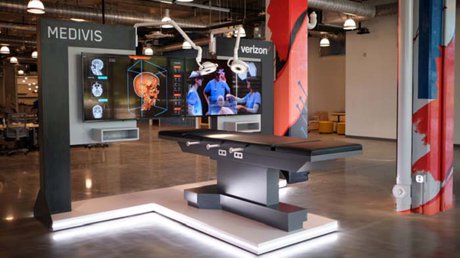
What makes the Verizon 5G Innovation Hub in Lake Nona especially valuable is the ecosystem around it. Unlike many other test sites, where the surrounding environment is either industrial or purely academic, Lake Nona offers a highly dynamic real-world environment. People live, work, and learn here. The Innovation Hub can draw from a wide base of actual users—patients, doctors, teachers, athletes, business owners—giving developers real-time feedback on their products and ideas.

From Verizon’s standpoint, the Lake Nona Hub offers a showcase for what’s possible when infrastructure and innovation are aligned. It’s not just about demonstrating what 5G can do—it’s about proving it in a community where those innovations can scale. That real-world application is critical to Verizon’s strategy as it expands its business offerings beyond consumer mobile into enterprise services and industry-specific solutions.

The company has made it clear that the Innovation Hub isn’t a temporary installation—it’s part of a long-term commitment to Lake Nona and to accelerating the pace of digital transformation across industries. Verizon continues to invest in 5G infrastructure upgrades, partnerships with local and national businesses, and new service rollouts that will be tested in Lake Nona before scaling nationally.

The success of the Innovation Hub has also inspired conversations around expanding the concept. There are plans to increase the size of the test environment by integrating more of Lake Nona’s public spaces, transportation routes, and institutional facilities into live 5G testbeds. These expanded testing grounds would allow for more comprehensive trials of smart city technologies, connected mobility systems, and citywide digital services.

Looking to the future, the Verizon 5G Innovation Hub is expected to play a role in some of the most important technology developments of the next decade. These include connected healthcare ecosystems where patient data is continuously updated across devices and providers; autonomous transportation networks where vehicles and infrastructure communicate seamlessly; and consumer applications that blend physical and digital reality in ways we’re only beginning to imagine.

At the same time, the Hub is helping Lake Nona refine its identity. Already known for medical innovation and wellness-focused planning, the community is now gaining recognition as a hub for telecom and digital infrastructure testing. That kind of diversification strengthens Lake Nona’s position as not just a health and wellness destination—but a city built on the leading edge of multiple industries.

And while 5G may be the headline technology today, the real story here is bigger. The Verizon 5G Innovation Hub is about building the connectivity foundation for everything that comes next: smarter cities, faster diagnostics, real-time learning, immersive entertainment, and more resilient infrastructure. It’s about preparing for the next chapter in the digital revolution—and making sure that Lake Nona is not only part of that story but helping write it.

More details on their official site at: https://www.verizon.com/business/why-verizon/5g-innovation-hub-program/lake-nona/

March 26, 2025

KPMG Lakehouse: A Bold Vision for Corporate Learning in the Heart of Lake Nona

Lake Nona Blog Nona Nona Tech/Innovation › KPMG Lakehouse

KPMG Lakehouse in Lake Nona FLWhen the global accounting and advisory firm KPMG set out to build a world-class learning and innovation campus, it didn’t choose a financial capital like New York or a tech hub like San Francisco. Instead, it chose Lake Nona—a fast-growing community in Orlando with a reputation for embracing the future. The result is KPMG Lakehouse, a sleek, purpose-built facility that has redefined what corporate learning looks like and added a powerful new dimension to Lake Nona’s identity as a city of ideas.
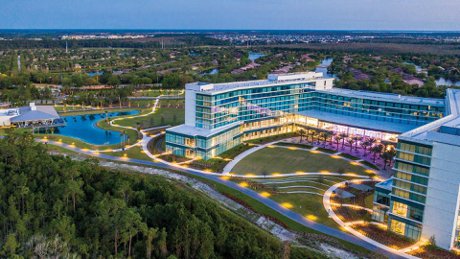
KPMG Lakehouse officially opened in January 2020, but the story behind it goes back several years. The firm, one of the “Big Four” accounting companies in the world, recognized that the rapid pace of change in business and technology required a more agile, dynamic approach to workforce development. Traditional learning models weren’t enough. KPMG needed a place where its 35,000+ U.S. professionals could continually refresh their skills, share ideas across disciplines, and immerse themselves in hands-on, future-focused learning.

Instead of retrofitting an existing building or leasing space in a major metro area, KPMG made a bold choice: it would create its own campus from the ground up. Lake Nona, already home to Medical City and a growing number of tech-forward organizations, fit the bill perfectly. The community’s smart-city infrastructure, access to the Orlando International Airport, and alignment with health, innovation, and education made it a natural fit for the kind of experience KPMG envisioned.

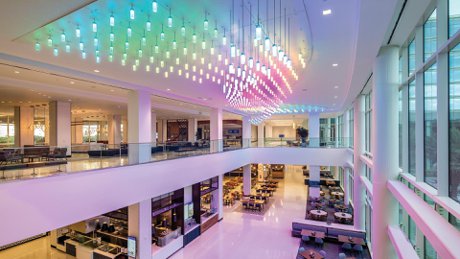
The result was a $450 million investment in a state-of-the-art facility designed not just to teach but to inspire. The 780,000-square-foot campus was built on a 55-acre site and features 800 guest rooms, 90 learning and classroom spaces, and a massive innovation gallery that showcases emerging technologies and client case studies. The architecture blends modern materials, open-space concepts, and biophilic design that emphasizes wellness and focus. There are walking trails, outdoor meeting areas, fitness spaces, and curated art installations throughout the property—all intentionally designed to spark creativity and collaboration.

KPMG Lakehouse LobbyAt the heart of the Lakehouse experience is what KPMG calls "purposeful learning." Employees don’t just attend seminars—they participate in immersive simulations, cross-functional problem-solving sessions, and leadership labs. Much of the learning is scenario-based, built around real-world challenges that KPMG professionals are likely to face in the field. The goal is not just to learn new skills, but to practice applying them in a safe, dynamic environment that encourages experimentation and adaptability.

The facility incorporates the latest in digital learning infrastructure. Classrooms are equipped with interactive whiteboards, voice-activated assistants, and real-time data dashboards. Virtual and augmented reality tools are used in certain programs to simulate client environments and complex decision-making situations. Even the campus-wide app plays a role—it allows employees to customize their schedules, connect with peers, provide feedback, and track their progress over time.

One of the most unique features of Lakehouse is its commitment to connection. Every design element—from communal dining areas to flexible meeting zones—was created to encourage employees from different offices and disciplines to talk to one another. It’s not uncommon for a new hire from Denver to spend a week working on a case study alongside a senior partner from Atlanta or a technology consultant from San Francisco. These connections are intentional, and they’re part of KPMG’s larger strategy to build a more collaborative, knowledge-sharing culture across its U.S. network.

The campus is also designed with well-being in mind. It includes a full-service fitness center, healthy dining options, meditation areas, and outdoor fitness programming. Sleep science even influenced the design of the guest rooms, which feature blackout curtains, circadian-friendly lighting, and ergonomic furniture. The idea is that professionals learn better when they feel better—and that learning environments should support the whole person, not just the professional identity.

KPMG Lakehouse isn't just about internal training. It also serves as a strategic advantage in recruiting. For new hires and college graduates, the opportunity to learn in such an inspiring, future-forward environment can be a deciding factor. It shows that the company is serious about investing in its people—and about staying ahead in a rapidly changing industry. From a talent development perspective, the Lakehouse has become one of the most compelling features of KPMG’s employment brand.

KPMG Lakehouse Hotel RoomThe facility also plays a growing role in KPMG’s innovation strategy. In addition to learning, Lakehouse is used for testing new technologies, piloting service models, and hosting client events. It’s not unusual for the campus to host cross-industry innovation sprints, where clients, employees, and subject-matter experts work together to solve specific business challenges. These sessions often result in prototypes, pilot projects, or new service offerings that are deployed across the firm’s national network.
Lakehouse was only open for a few weeks before the COVID-19 pandemic hit, forcing the company to temporarily suspend on-site learning. But the experience of having such a robust, well-designed facility ended up being an advantage. Much of the campus’s digital infrastructure was quickly leveraged to support virtual learning. Content, simulations, and learning journeys were adapted for online formats, and the lessons learned during the remote period are now being integrated into a hybrid model that blends in-person and virtual engagement.

In many ways, KPMG Lakehouse is a physical expression of where corporate learning is headed. It’s not just about sitting in a room and watching slides—it’s about connecting, experimenting, reflecting, and applying knowledge in ways that are meaningful and memorable. It’s about creating a culture of continuous learning and innovation—and providing the infrastructure to support that culture at scale.

From Lake Nona’s perspective, the arrival of KPMG was a major endorsement of the community’s long-term vision. It showed that a globally respected firm saw value not just in the land, but in the environment—the mix of talent, technology, design, and purpose that Lake Nona offers. KPMG’s investment brought jobs, visibility, and further momentum to the area, helping solidify its reputation as a destination for innovation-driven enterprise.

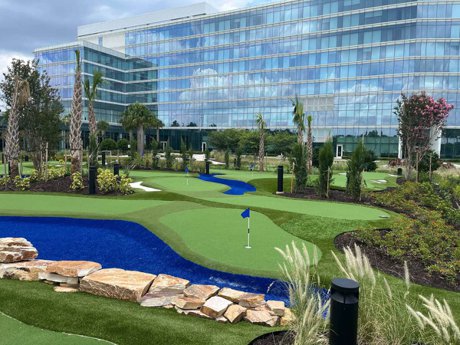
KPMG Lakehouse golf putting course in Lake Nona FLLooking ahead, KPMG has plans to expand the use of Lakehouse as a collaborative space. There is growing interest in using the facility to host multi-client workshops, industry roundtables, and leadership retreats. The firm is also exploring additional partnerships with local academic institutions, including UCF and the University of Florida, to support pipeline development and innovation research.
As of now, Lakehouse remains one of the only purpose-built corporate learning centers of its scale in the United States—and arguably the most modern. Its continued evolution will likely serve as a model for other companies looking to rethink how and where they invest in people development. It also ensures that Lake Nona remains not just a home for healthcare and research—but for the future of work itself.

In a world where learning, adaptation, and collaboration are increasingly central to business success, KPMG Lakehouse stands as both a strategic asset and a case study in what’s possible when a company decides to build for tomorrow rather than retrofit yesterday.

Visit their official site at: https://kpmg.com/us/en/capabilities-services/kpmg-innovation-services/lakehouse.html

March 25, 2025

GuideWell Innovation Center: Fueling the Future of Health in Lake Nona’s Medical City

Lake Nona Blog Nona Nona Heath/Wellness › GuideWell Innovation Center

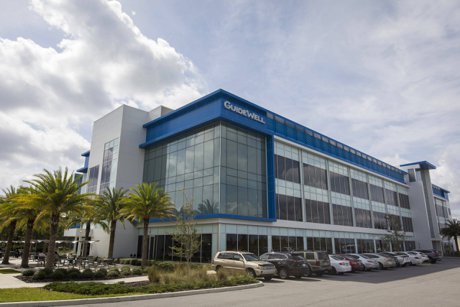
Guidewell Innovation Center in Lake Nona's Medical CityIn the center of Lake Nona’s thriving Medical City, surrounded by hospitals, research institutions, and academic campuses, sits one of the most forward-looking facilities in the area: the GuideWell Innovation Center. While it may not carry the household-name recognition of a major hospital or university, this sleek, three-story facility plays a behind-the-scenes role that is quietly—and powerfully—shaping the future of healthcare.
Opened in 2016, the GuideWell Innovation Center was developed by GuideWell, the parent company of Florida Blue, the state’s largest health insurer. But this isn’t a corporate headquarters or a customer service hub. It’s a health innovation incubator—designed from day one to support startups, researchers, entrepreneurs, and healthcare pioneers working to solve some of the most pressing problems in modern medicine.

The decision to place the Innovation Center in Lake Nona was a calculated one. The area was already gaining momentum as a destination for health and life sciences, thanks to the presence of major institutions like the UCF College of Medicine, Nemours Children’s Hospital, the Orlando VA Medical Center, and the Johnson & Johnson Human Performance Institute. By inserting a space dedicated to entrepreneurship and cross-sector collaboration, GuideWell was offering something complementary—a physical and strategic bridge between research, care delivery, and industry.

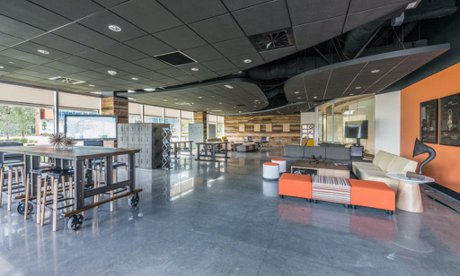
At approximately 92,000 square feet, the GuideWell Innovation Center isn’t huge, but it’s intentionally designed to be agile and adaptable. The building includes a mix of co-working spaces, private offices, research labs, and prototyping studios. There are also meeting rooms, pitch venues, and digital conferencing suites that allow tenants to collaborate across industries and continents. The architecture itself is modular, meaning spaces can be reconfigured based on tenant needs—an essential feature in a field where innovation moves quickly and unpredictably.

From the beginning, GuideWell made it clear that the Innovation Center wasn’t just going to be a real estate investment—it was going to be a health innovation engine. That meant carefully curating the types of companies and organizations that would call the center home. Startups with promising digital health solutions, biotech firms, health IT companies, and clinical trial innovators were invited to apply for space. Many were given access to mentoring, legal guidance, venture capital introductions, and access to GuideWell’s internal health expertise.

Over time, the center evolved into a hub of collaborative energy. Early tenants included digital therapeutics developers, AI-powered diagnostics startups, and mobile health application builders. Some were focused on chronic disease management, others on population health analytics, and others still on care coordination platforms. But all of them shared one thing in common: a vision for a better, more efficient, more equitable healthcare system.

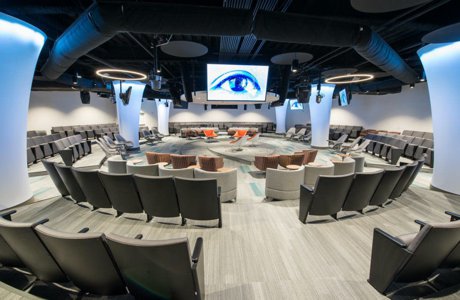
Guidewell Innovation Center in Lake Nona's Medical City AuditoriumOne of the unique features of the GuideWell Innovation Center is its direct access to payor data, clinical partners, and real-world feedback. Through GuideWell and Florida Blue, innovators can test concepts in real time—gathering feedback from patients, providers, and insurers to improve usability and efficacy. This real-world testing environment is something most startups in the healthcare space can only dream of, and it has made the GuideWell Innovation Center an attractive option for early-stage companies and investors alike.
The center also serves as the physical headquarters for GuideWell Innovation, a subsidiary focused on healthcare transformation through new business models, partnerships, and community initiatives. GuideWell Innovation runs accelerator programs, investment reviews, and health innovation forums that attract global attention. Events like the annual GuideWell Insights Summit bring together thought leaders in digital health, data science, policy, and care delivery to discuss the future of the industry.

This kind of convening power has helped elevate Lake Nona’s status as a place where healthcare leaders don’t just work—they come together to ideate and build. The Innovation Center has hosted hundreds of events, ranging from closed-door investor meetings to community hackathons to large-scale think tanks on issues like aging, behavioral health, and health equity.

The ripple effects have been significant. Graduates of GuideWell-supported programs have gone on to secure millions in venture funding, enter clinical trials, and land contracts with major health systems. Some have remained in Lake Nona, establishing headquarters or satellite offices that continue to feed the local economy and innovation ecosystem. Others have taken their experiences and learning to scale nationally, becoming part of a growing network of companies shaped, in part, by their time at the center.

But the center’s role isn’t limited to startup support. It’s also deeply invested in workforce development and community impact. GuideWell partners with universities, including UCF and the University of Florida, to offer internships, fellowships, and project-based learning experiences for students interested in healthcare entrepreneurship. These programs are designed to expose the next generation of innovators to the realities of health industry challenges, while also cultivating local talent that can support Lake Nona’s long-term growth.

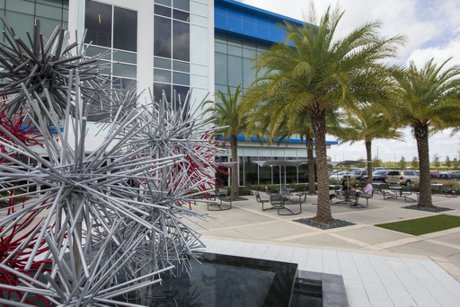
Guidewell Innovation Center in Lake Nona's Medical CityOne particularly impact area of focus for the center has been health equity. GuideWell has used the Innovation Center as a launching pad for initiatives aimed at addressing disparities in healthcare access and outcomes. Programs exploring social determinants of health, digital access gaps, and culturally competent care have emerged from collaborations within the building. These projects don’t just stay in theory—they’re often tested in real-world pilot programs through GuideWell’s community networks across the state.
As Lake Nona has grown, so too has the strategic importance of the Innovation Center. With more biotech firms, health systems, and research institutions setting up shop nearby, the center has become a key piece of the regional infrastructure. It offers companies a place to grow without having to leave the ecosystem and gives larger institutions a way to stay connected to emerging ideas and entrepreneurial energy.

Looking ahead, the GuideWell Innovation Center has big plans for expansion—both physical and digital. Blueprints are being drawn for additional buildings adjacent to the current facility, including wet lab space for biotech companies, larger conferencing facilities, and residential-style incubator housing for visiting fellows and entrepreneurs. There are also plans to expand GuideWell’s investment footprint, with a growing venture fund and an expanded pipeline of accelerator cohorts that will focus on topics like AI in healthcare, precision medicine, and remote patient monitoring.

Guidewell Innovation Center in Lake Nona's Medical CityThe digital side is evolving too. Virtual innovation programs, remote mentorship, and online demo days are being developed to expand the center’s reach beyond Central Florida. This hybrid model ensures that innovators from across the globe can engage with GuideWell’s programs and experts without needing to relocate—while still having the option to plug into Lake Nona’s in-person resources when needed.
What sets the GuideWell Innovation Center apart isn’t just its location or even its resources. It’s the culture. There’s a shared understanding among tenants, partners, and staff that healthcare is in a period of transformation—and that transformation requires risk, creativity, and a willingness to challenge the status quo. That mindset infuses every corner of the building, from whiteboard scribbles in the co-working lounge to pitch rehearsals in the demo theater.

In Lake Nona, where the future of health is being engineered in real time, the GuideWell Innovation Center serves as a vital proving ground. It doesn’t perform surgeries or develop drugs. But it helps bring together the minds, technologies, and ideas that will ultimately shape how care is delivered, how patients are treated, and how lives are improved.

It’s the engine room of Medical City—and it’s only getting warmed up. Visit today at: https://guidewellinnovation.com/

March 25, 2025

UF Lake Nona Research and Academic Center: A Scientific Stronghold in Orlando’s Medical City

Lake Nona Blog Nona Nona Heath/Wellness › UF Lake Nona Research and Academic Center

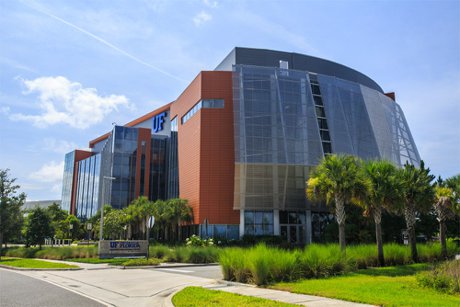
University of Florida Lake Nona Research & Academic CenterIn a neighborhood designed around the future of health, medicine, and innovation, the University of Florida’s Lake Nona Research and Academic Center stands out as a quiet but essential player. It may not have the flash of a hospital or the foot traffic of a performance club, but what it lacks in visibility, it makes up for in brainpower. This center, often referred to simply as UF’s Lake Nona campus, is a scientific anchor in Lake Nona’s growing ecosystem, and its influence is only just beginning to be fully understood.
Located within walking distance of major institutions like the UCF College of Medicine, Nemours Children’s Hospital, and the Orlando VA Medical Center, the UF Lake Nona Research and Academic Center opened its doors in 2012. It was one of the earliest academic institutions to break ground in what would become Lake Nona’s Medical City, a 650-acre health and life sciences district intentionally designed for cross-institutional collaboration. At the time, the center represented a bold move for the University of Florida—a major public research institution based in Gainesville—to establish a significant physical and academic presence in Central Florida.

The decision to expand into Lake Nona wasn’t made lightly. The University of Florida was already a national leader in health sciences, with top-ranked programs in pharmacy, medicine, and biomedical research. But the opportunity to co-locate with other major players in a master-planned health district presented a unique chance to extend its influence, test new models of academic programming, and create a true satellite research hub with statewide impact.

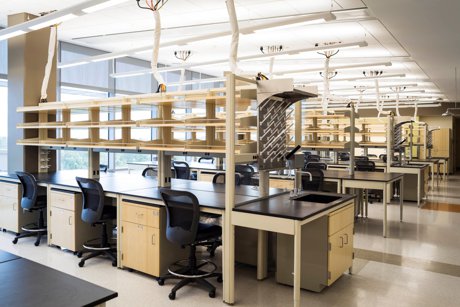
The facility itself spans roughly 100,000 square feet and was designed from the ground up as a multi-use academic and research space. The building houses classrooms, laboratories, clinical training areas, faculty offices, and collaboration zones—all optimized for interdisciplinary work. One of its primary tenants is the UF College of Pharmacy, which uses the facility as one of its regional campuses, offering a full four-year Pharm.D. program. The Lake Nona campus gives students the ability to complete all coursework and experiential learning locally, while still earning a degree from one of the nation’s top pharmacy schools.

From the beginning, the center was meant to be more than a teaching site. It was also conceived as a launchpad for high-impact research and a place where translational science could thrive. That’s science speak for research that moves from the lab bench to real-world application—and this kind of work is central to UF’s academic mission. At the Lake Nona campus, research efforts focus on a wide range of health priorities, including personalized medicine, pharmacogenomics, drug discovery, and chronic disease management.

University of Florida Lake Nona Research & Academic Center LabWhat makes the Lake Nona location especially valuable is its proximity to other research and clinical institutions. Faculty at the center regularly collaborate with researchers from Nemours, UCF, and the VA Medical Center. This proximity allows for faster data sharing, joint grant applications, and access to a wider patient population for clinical trials. It's the kind of intellectual cross-pollination that Lake Nona was built to encourage, and the UF center is a textbook example of that vision in action.
One of the most significant areas of research emerging from the center involves metabolomics—the study of small molecules involved in metabolism—and its role in precision medicine. Researchers at the Lake Nona campus have been developing new tools to analyze how genetic and environmental factors influence an individual’s response to medication. This work has the potential to completely reshape how medications are prescribed, moving from one-size-fits-all guidelines to highly personalized treatment protocols based on a patient’s unique biology.

In addition to its pharmacy program, the UF Lake Nona Center is involved in interdisciplinary education and outreach. Programs are developed in coordination with UF’s Colleges of Medicine, Dentistry, Public Health, and Nursing, creating a space where inter-professional learning can happen in real time. This model of education is designed to prepare future health professionals to work in collaborative environments—a necessity in modern patient care, where outcomes depend on coordinated efforts between physicians, pharmacists, nurses, and therapists.

The student body at the Lake Nona center is intentionally small, allowing for close mentorship and hands-on learning. Students benefit from access to research faculty, clinical partnerships with nearby hospitals, and a strong sense of community. Many of the students who complete their training here go on to work in Central Florida’s growing healthcare sector, contributing directly to the region’s workforce and continuing the pipeline of talent that Lake Nona depends on.

From a broader academic standpoint, the Lake Nona campus has helped UF extend its reach beyond Gainesville in meaningful ways. It allows for deeper partnerships with institutions in the Orlando area, greater access to diverse patient populations for research, and a stronger role in influencing regional health policy. It also serves as a showcase for the university’s commitment to innovation, public health, and statewide service.

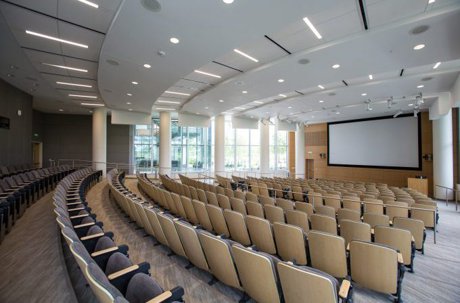
University of Florida Lake Nona Research & Academic Center AuditoriumThe center’s work has not gone unnoticed. Faculty at the Lake Nona site have received millions of dollars in research funding, published widely in peer-reviewed journals, and contributed to major national studies. In many cases, the facility has allowed researchers to operate more independently and more collaboratively than they could in a larger, more crowded academic environment. That flexibility is one of the advantages of being located in a fast-growing, purpose-built community like Lake Nona.
As of today, the center continues to expand its academic and research portfolio. Future plans include adding graduate programs in data science and health informatics, expanding clinical training opportunities, and deepening partnerships with industry players through joint research ventures and internship pipelines. The university is also considering expanding the physical facility itself, with proposals on the table for additional lab space and teaching rooms.

One promising area of development involves the integration of artificial intelligence and machine learning into pharmacy and clinical research. By partnering with UF’s world-renowned AI initiative in Gainesville, the Lake Nona center is positioning itself at the forefront of tech-driven health solutions. This work includes predictive analytics for medication adherence, AI-assisted drug discovery, and machine learning models that can flag at-risk patients before complications occur.

Another forward-looking initiative involves community-based health projects. Faculty and students are working on mobile health clinics, community education programs, and telehealth platforms that extend the reach of UF’s expertise beyond Lake Nona’s borders. These programs are designed to improve outcomes in under-served populations and to test new models of care that could eventually be implemented statewide.

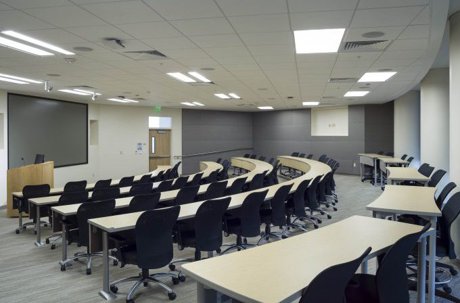
University of Florida Lake Nona Research & Academic Center classroomWhat makes the UF Lake Nona Research and Academic Center unique isn’t just its facilities or its location—it’s the way it brings together education, research, and collaboration in one streamlined space. In a world where higher education and healthcare are both under pressure to innovate, the Lake Nona center offers a model for how academic institutions can stay nimble, relevant, and deeply engaged in the communities they serve.
For Lake Nona, the center adds intellectual capital and stability. It attracts faculty, students, and funding. It creates jobs and launches projects. It strengthens the area’s identity as a place where serious research is done—not in isolation, but in partnership with other institutions, with patients, and with the broader health ecosystem.

As Lake Nona continues its trajectory as one of the most future-focused communities in the country, the University of Florida’s presence ensures that education and science remain at the center of that journey. The Research and Academic Center might not be the flashiest building in Medical City, but it’s one of the most important. It’s where new medicines are discovered, future healthcare providers are trained, and bold ideas about the future of health are tested in real time.

In that sense, it’s doing exactly what it was built to do—and it’s only just getting started. Visit today at: https://lakenona.ufhealth.org/

March 25, 2025

UCF Lake Nona Cancer Center: A Research-Driven Vision for the Future of Cancer Care

Lake Nona Blog Nona Nona Heath/Wellness › UCF Lake Nona Cancer Center

UCF Cancer Center at Lake Nona's Medical CityThe UCF Lake Nona Cancer Center is a bold and rapidly growing part of the Lake Nona Medical City landscape, uniquely combining academic research, patient care, and high-tech innovation. While it’s a relatively new addition to the area, its roots trace back to a major moment in Florida’s biomedical history—and its future may be just as influential.
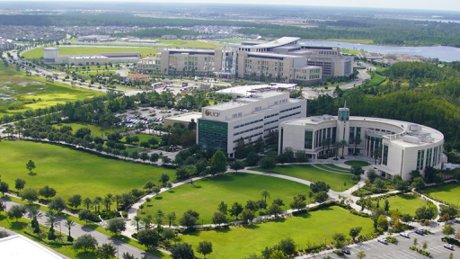
The Cancer Center occupies the former site of the Sanford Burnham Prebys Medical Discovery Institute, a renowned research institute that focused on metabolic disease, cancer, and regenerative medicine. In 2019, the University of Central Florida acquired the facility, repurposing it as a major part of its expanding Academic Health Sciences campus. This move symbolized UCF’s transition from a regional public university to a major player in national biomedical research.

The building itself spans approximately 175,000 square feet and was originally designed to house some of the most advanced research laboratories in the country. Today, UCF uses this space to blend basic scientific research with translational and clinical applications, creating a setting where discoveries made at the bench can be tested and implemented in real-world patient care. The Center is home to a growing number of cancer researchers, clinicians, and physician-scientists working on some of the most pressing challenges in oncology.

What sets the UCF Lake Nona Cancer Center apart is its focus on precision medicine—an approach to cancer treatment that uses a patient’s genetic profile to develop targeted therapies. The Center’s researchers are engaged in projects that aim to better understand the cellular and molecular mechanisms of cancer and to identify biomarkers that can predict how a patient will respond to specific treatments. This work is supported by cutting-edge equipment and a robust data infrastructure that allows for collaboration with national and international institutions.

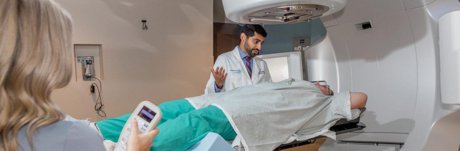
UCF Lake Nona Cancer CenterAs part of the UCF College of Medicine, the Cancer Center plays an integral role in the education and training of future physicians and researchers. Students are involved in every stage of the research process, from basic lab work to clinical trial development, and benefit from direct mentorship by faculty with active research portfolios. The Center also offers opportunities for interdisciplinary work with UCF’s Colleges of Nursing, Engineering, and Sciences, further enriching the academic environment.

Since taking over the facility, UCF has continued to expand its capabilities. The university has hired nationally recognized cancer researchers and begun developing clinical oncology services to complement its laboratory research. The goal is to eventually offer a full spectrum of cancer care on-site, from early detection to treatment and survivorship programs. These services will not only benefit local residents but also help position Lake Nona as a destination for cancer care and clinical trials.

Looking forward, the UCF Lake Nona Cancer Center is part of a broader plan to grow UCF’s Academic Health Sciences campus into a nationally prominent destination for healthcare research and education. Additional research programs, partnerships, and construction projects are in the pipeline. The university has made clear that it views the Cancer Center as a long-term investment in innovation, scientific discovery, and improved patient outcomes.

In just a few short years, the UCF Lake Nona Cancer Center has gone from an idea to a thriving hub of research and learning. With its strategic location, advanced infrastructure, and academic mission, it is quickly becoming one of the most important institutions in Central Florida’s medical landscape. For Lake Nona, it represents another major step toward becoming a nationally recognized center for healthcare excellence—and for those affected by cancer, it offers new hope grounded in science and driven by purpose.

#ucfcancercenter #lakenona

March 25, 2025

UCF College of Medicine: A Legacy in the Making at Lake Nona's Medical City

Lake Nona Blog Nona Nona Heath/Wellness › UCF College of Medicine

UCF College of MedicineThe University of Central Florida College of Medicine stands as a cornerstone of Lake Nona’s Medical City in Orlando, Florida. Located at 6850 Lake Nona Boulevard in the 32827 zip code, the college is one of the most transformative institutions in the region, both academically and economically. Its presence in Lake Nona is not only a mark of UCF’s growing reputation but also a sign of Orlando’s evolution into a center for medical innovation and education.
The UCF College of Medicine officially opened in 2009, following a statewide push to expand access to medical education in Florida. From its inception, the college set out to do things differently. Its inaugural class of 41 students made headlines across the country after each was awarded a full four-year scholarship, an unprecedented move designed to attract top-tier applicants and establish a culture of excellence. That first class helped lay the foundation for what would become one of the most forward-thinking medical schools in the United States.

The decision to build the medical school in Lake Nona was both strategic and visionary. At the time, Lake Nona was a largely undeveloped area southeast of Orlando. By anchoring the UCF College of Medicine within a 650-acre planned health and life sciences campus, now known as Medical City, UCF helped catalyze a regional transformation. The school became the first major tenant in what has since grown into a nationally recognized innovation district. Over the years, UCF has been joined by several major partners, including the Orlando VA Medical Center, Nemours Children’s Hospital, and the UCF Lake Nona Cancer Center, among others. However, the medical school remains the intellectual and symbolic heart of Medical City.

UCF College of Medicine in Lake Nona's Medical CityThe main academic building of the UCF College of Medicine spans over 170,000 square feet and is designed to support hands-on learning and interdisciplinary collaboration. The facility includes advanced simulation labs, a clinical skills and assessment center, and expansive research laboratories. UCF has consistently emphasized the importance of integrating research with patient care, and its Lake Nona location has allowed the school to grow alongside cutting-edge research and clinical institutions. This integration helps create a seamless pipeline from classroom to clinical practice.

Enrollment at the College of Medicine has steadily increased since its launch, with the school now offering a range of graduate and postgraduate programs including MD, PhD, and MS degrees. Its biomedical sciences program is particularly robust, attracting students interested in both laboratory and clinical research. The college is also home to the Burnett School of Biomedical Sciences, which provides education in molecular biology, microbiology, and biotechnology.

One of the most interesting aspects of the UCF College of Medicine is its commitment to using technology and data in education. From early on, the school embraced digital anatomy labs and virtual learning environments to supplement traditional instruction. This emphasis on innovation is reflected not just in the curriculum but also in the culture of the institution. Students are trained not only to treat illness but also to become problem-solvers and leaders in a rapidly evolving healthcare landscape.

Financially, the medical school has had a substantial impact on the Lake Nona area. Its presence has helped attract billions of dollars in public and private investment to Medical City. The economic ripple effect includes not only healthcare and research jobs but also commercial development, housing, and infrastructure growth in the surrounding area. The school’s proximity to Orlando International Airport has also made it a practical hub for international conferences and collaboration.

Looking to the future, UCF has ambitious plans for continued growth. The university is working toward expanding its residency and fellowship programs through partnerships with area hospitals. In addition, it is building out its academic health sciences campus to include more interdisciplinary offerings and advanced clinical training facilities. UCF also plans to grow its faculty and research departments in response to increasing enrollment and new program development.

The UCF College of Medicine is also exploring initiatives related to population health, digital health technologies, and personalized medicine. With these expansions, the school is positioning itself as not just a regional leader, but a national and even global player in the future of healthcare education and research.

In less than two decades, the UCF College of Medicine has gone from a bold idea to a thriving academic institution with a growing national profile. Its roots in Lake Nona’s Medical City have given it a unique advantage, allowing it to grow within a thoughtfully designed ecosystem dedicated to health and innovation. As both the college and the surrounding area continue to expand, UCF’s role in shaping the future of medicine—locally and globally—is only set to deepen.

Visit today at: https://med.ucf.edu/

Dec. 20, 2024

Shoppes at Storey Park

Lake Nona Blog Nona Nona Shopping › Shoppes at Storey Park

The Shoppes at Storey ParkShoppes at Storey Park is a Publix-anchored shopping center located at the intersection of Dowden Road and State Road 417 in the Northeast Lake Nona area of Orlando, Florida.

This retail hub serves the rapidly growing Lake Nona community, offering a variety of shopping, dining, and professional services.

Location and Accessibility

Shoppes at Storey Park is easily accessible via Dowden Road and State Road 417, two major thoroughfares in the area. Its central location makes it a convenient destination for shopping and services within the Lake Nona community.

The center is strategically situated near several new residential developments, including Storey ParkMeridian Parks and Randal Park providing convenient access to both residents and visitors.

Current Tenants

The center is anchored by a Publix Super Market, offering a wide range of grocery items and services. Additionally, Shoppes at Storey Park features several other retailers and dining options, including:

  • Publix Super Market: A leading grocery store offering a wide range of products and services. 
  • Wendy's
  • Championship Martial Arts
  • Great Clips
  • Additional Retailers and Dining Options: This new center will be adding new retailers and dining establishments catering to diverse tastes and preferences.

Community Impact

Shoppes at Storey Park plays a pivotal role in fostering community engagement by providing a space where residents and visitors can gather, dine, shop, and access essential services. Its strategic location and diverse offerings make it a cornerstone of the Lake Nona community, contributing to the area's growth and vibrancy.

Interested in Leasing? Contact: https://blurockcommercial.com/properties-old/shoppes-of-storey-park/

#shoppesofstoreypark #lakenona