The pool is the easy part. The cage, the pump, the chemicals and the insurance policy are the subscription that comes with it.
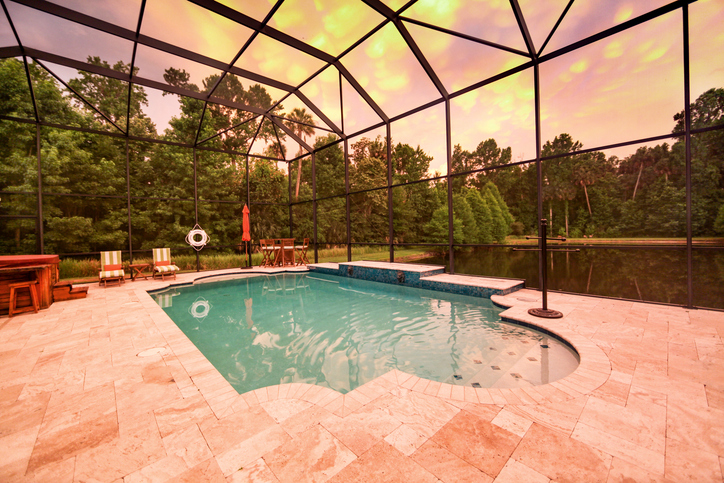
A private pool on a Lake Nona home comes with recurring costs beyond chemicals and cleaning. Florida's Residential Swimming Pool Safety Act requires every new residential pool to have at least one safety feature, such as a 4-foot barrier, a safety cover or door alarms. Many homeowners policies limit hurricane coverage on screen enclosures unless you add an endorsement, and insurers often recommend higher liability limits or an umbrella policy. Since July 2021, federal rules have effectively required variable-speed pumps for most inground filter pumps. Plan for periodic resurfacing and equipment replacement, and remember that the pool is part of the home's assessed value.
Plenty of buyers start with a pool on the wish list and an open mind about everything else. In Lake Nona, that wish is easy to grant; homes with private pools are spread across the area, and most come with a screened cage to keep out leaves, bugs and the occasional curious heron.
What the listing does not show is the monthly and long-term bill. Here is what it includes.
What does Florida law require around a pool?
A new residential pool must have at least one approved safety feature before it can pass final inspection.
Under the Residential Swimming Pool Safety Act, Chapter 515, the options are a barrier that isolates the pool from the house, an approved safety pool cover, exit alarms on every door and window that opens to the pool, self-closing and self-latching doors with a release at least 54 inches above the floor, or a certified pool alarm. A qualifying barrier is at least 4 feet tall, with no gaps a small child could squeeze through, and gates that open outward and close and latch on their own.
A screen enclosure is the most common barrier in Central Florida. If you buy a resale pool home, check that the doors from the house still have their alarms or latches and that the screen door to the yard still closes and latches. If you add a pool, Orange County requires a permit, and the pool has to pass a final inspection with its safety feature in place.
How does a pool change your insurance?
In two ways: the screen enclosure may need its own hurricane coverage, and the pool raises your liability exposure.
The cage. Florida's Department of Financial Services lists screened enclosure coverage as a separate endorsement for hurricane damage, and notes that the definition of a screened enclosure varies by company. Some carriers include a set amount; others exclude hurricane damage to the cage unless you add the endorsement. Ask for the limit in writing. A pool cage is a very large sail in a hurricane, and you want to know who pays to rebuild it.
Liability. Insurers treat a pool as an "attractive nuisance," something that can draw a child in even without permission. Many recommend raising your homeowners liability limit or adding an umbrella policy, and some exclude or surcharge diving boards and slides. Tell your insurer about the pool and every feature attached to it. Our homeowners insurance guide covers the rest of the policy.
What about the pump and the electric bill?
The pump is the biggest electric load a pool adds, and federal rules now push owners toward variable-speed models.
Since July 19, 2021, dedicated-purpose pool pumps made or imported for U.S. sale have had to meet Department of Energy efficiency standards. For typical inground filter pumps, manufacturers say only a variable-speed pump meets the requirement with current technology, so an old single-speed pump that fails is usually replaced with a variable-speed one. Variable-speed pumps cost more up front but use less electricity, and some utilities offer rebates. During your inspection period, ask how old the pump, filter and any heater are.
What are the big-ticket costs down the road?
Resurfacing the pool, replacing equipment and re-screening the cage.
Concrete pools need a new interior finish periodically. Industry guides put standard plaster or marcite at roughly 7 to 12 years, with aggregate finishes lasting longer, and Florida's sun and warm water push toward the short end. Pumps, filters, heaters and automation all wear out on their own schedules, and screen panels tear or sag long before the aluminum frame gives up.
Ask the seller when the pool was last resurfaced and when the screens were replaced, and have your inspector look at the pool and equipment. Our guide to home inspections in Lake Nona explains how to add a pool inspection to the list.
| Cost | How often | What to ask before you buy |
|---|---|---|
| Chemicals and cleaning | Weekly or monthly | Does the seller use a pool service, and what does it include? |
| Electricity for the pump | Monthly | Is the pump variable-speed? How many hours a day does it run? |
| Screen enclosure coverage | Yearly premium | What is the insurer's limit for hurricane damage to the cage? |
| Extra liability or umbrella coverage | Yearly premium | Does the policy exclude diving boards or slides? |
| Resurfacing | Every several years | When was the pool last resurfaced, and with what finish? |
| Pump, filter, heater | When they fail | How old is each piece of equipment? |
| Re-screening | When panels tear | When were the screens last replaced? |
Does a pool raise your property taxes?
It is part of what the property appraiser values, so it is reflected in your assessment.
Florida property appraisers record extra features such as pools in their mass appraisal systems and include them in the home's value. If you add a pool after you buy, expect it to show up on a later assessment. Our property tax guide explains how homestead and the Save Our Homes cap work.
Can you add a pool to a Lake Nona home later?
Often, but the HOA, the lot and the permit all get a vote.
Most Lake Nona communities require architectural approval before a pool goes in, and easements or a small lot can limit where it fits. Ask the HOA for its pool guidelines before you buy a home planning to add one. Our pool homes page covers what to check on HOA approval and easements.
Pros, Cons and Our Take
Pros
- A pool gets used in Central Florida for much of the year
- A screen enclosure keeps out leaves and bugs, and can serve as the required barrier
- Variable-speed pumps have made pools cheaper to run
Cons
- Ongoing costs for chemicals, cleaning and electricity
- Hurricane coverage on the cage may cost extra
- Higher liability exposure and possible insurance requirements
- Periodic resurfacing and equipment replacement
Our Take
A pool is worth it if you will actually swim in it. Before you buy one, get the insurance quote with the cage endorsement, check the age of the pump and the surface, and confirm the safety features work. If the community pool is a short walk away, it is worth asking whether you need your own.
What the Neighbors Know
Pool owners here say the first summer is magic and the first hurricane season is educational. The ones who stay happy run a variable-speed pump, use a pool service and know exactly what their policy pays on the cage. Many Lake Nona neighborhoods also have resort-style community pools. Compare them on the amenities chart.
Official Sources
- Florida Statutes — Chapter 515, Residential Swimming Pool Safety Act
- Orange County — Residential Swimming Pool Permit
- Florida Department of Financial Services — Homeowners Policy Endorsements
- U.S. Department of Energy — Dedicated-Purpose Pool Pump standards (Federal Register)
Shopping for a Lake Nona pool home? Call/Text David Myers at 407.801.3286 or use the contact form.
Frequently Asked Questions
Does Florida require a fence or barrier around a pool?
A new residential pool must have at least one safety feature to pass final inspection: a barrier meeting state requirements, an approved safety cover, exit alarms on doors and windows to the pool, self-closing and self-latching doors with a release at least 54 inches high, or a certified pool alarm.
Does homeowners insurance cover a pool screen enclosure in a hurricane?
Often only partly, or not at all, without an endorsement. Florida insurers offer screened enclosure coverage for hurricane damage as an add-on, and the definition varies by company, so check the policy before you buy.
Do I need more liability insurance if my home has a pool?
Many insurers and agents recommend higher liability limits or an umbrella policy for pool owners, and some exclude diving boards or slides. Tell your insurer about the pool and any diving board or slide.
Can I replace an old single-speed pool pump with another single-speed pump?
Usually not for a typical inground filter pump. Since July 19, 2021, federal efficiency rules have effectively required variable-speed pumps for most residential inground filter pumps.